•  

Lebanon: Pope Leo XIV Arrives on His First Middle East Tour

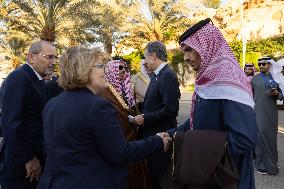
Pope Leo XIV arrived in Beirut on Sunday, November 30, days after Israeli airstrikes on southern Beirut and following a visit to Turkey. He was greeted by Christians from Lebanon and neighboring countries.

  •  
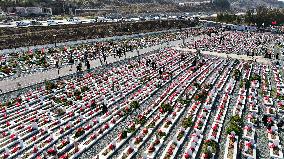
Earthquake Victims Commemorated in Hatay - Turkey

Earthquake Victims Commemorated in Hatay - Turkey

People mourn the victims of an earthquake at a cemetery in Hatay, Turkey, on February 6, 2025. A powerful 7.8-magnitude earthquake jolted southern Turkey and Syria at midnight on Feb. 6, 2023, followed by a 7.7-magnitude one the next afternoon. Photo by Serdar Ozkurnazli/DIA Images/ABACAPRESS.COM

  •  
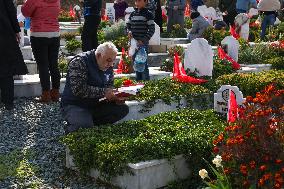
Earthquake Victims Commemorated in Hatay - Turkey

Earthquake Victims Commemorated in Hatay - Turkey

People mourn the victims of an earthquake at a cemetery in Hatay, Turkey, on February 6, 2025. A powerful 7.8-magnitude earthquake jolted southern Turkey and Syria at midnight on Feb. 6, 2023, followed by a 7.7-magnitude one the next afternoon. Photo by Serdar Ozkurnazli/DIA Images/ABACAPRESS.COM

  •  
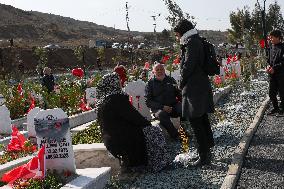
Earthquake Victims Commemorated in Hatay - Turkey

Earthquake Victims Commemorated in Hatay - Turkey

People mourn the victims of an earthquake at a cemetery in Hatay, Turkey, on February 6, 2025. A powerful 7.8-magnitude earthquake jolted southern Turkey and Syria at midnight on Feb. 6, 2023, followed by a 7.7-magnitude one the next afternoon. Photo by Serdar Ozkurnazli/DIA Images/ABACAPRESS.COM

  •  
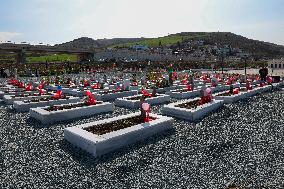
Earthquake Victims Commemorated in Hatay - Turkey

Earthquake Victims Commemorated in Hatay - Turkey

People mourn the victims of an earthquake at a cemetery in Hatay, Turkey, on February 6, 2025. A powerful 7.8-magnitude earthquake jolted southern Turkey and Syria at midnight on Feb. 6, 2023, followed by a 7.7-magnitude one the next afternoon. Photo by Serdar Ozkurnazli/DIA Images/ABACAPRESS.COM

  •  
Earthquake Victims Commemorated in Hatay - Turkey

Earthquake Victims Commemorated in Hatay - Turkey

People mourn the victims of an earthquake at a cemetery in Hatay, Turkey, on February 6, 2025. A powerful 7.8-magnitude earthquake jolted southern Turkey and Syria at midnight on Feb. 6, 2023, followed by a 7.7-magnitude one the next afternoon. Photo by Serdar Ozkurnazli/DIA Images/ABACAPRESS.COM

  •  
Blinken Tours Middle East

Blinken Tours Middle East

Handout photo shows Secretary Antony J. Blinken following a meeting with the foreign ministers of the Arab Contact Group on Syria in Jordan's southern Red Sea coastal city of Aqaba on December 14, 2024. Antony Blinken said the US had made “direct contact” with Syria’s victorious Hayat Tahrir al-Sham rebels as western and Arab states along with Turkey jointly voiced support for a united, peaceful Syria. The US secretary of state’s comment is despite Washington having designated the HTS rebels as terrorists in 2018. Official State Department photo by Chuck Kennedy via ABACAPRESS.COM

  •  
Blinken Tours Middle East

Blinken Tours Middle East

Handout photo shows Secretary Antony J. Blinken following a meeting with the foreign ministers of the Arab Contact Group on Syria in Jordan's southern Red Sea coastal city of Aqaba on December 14, 2024. Antony Blinken said the US had made “direct contact” with Syria’s victorious Hayat Tahrir al-Sham rebels as western and Arab states along with Turkey jointly voiced support for a united, peaceful Syria. The US secretary of state’s comment is despite Washington having designated the HTS rebels as terrorists in 2018. Official State Department photo by Chuck Kennedy via ABACAPRESS.COM

  •  
Blinken Tours Middle East

Blinken Tours Middle East

Handout photo shows Secretary Antony J. Blinken following a meeting with the foreign ministers of the Arab Contact Group on Syria in Jordan's southern Red Sea coastal city of Aqaba on December 14, 2024. Antony Blinken said the US had made “direct contact” with Syria’s victorious Hayat Tahrir al-Sham rebels as western and Arab states along with Turkey jointly voiced support for a united, peaceful Syria. The US secretary of state’s comment is despite Washington having designated the HTS rebels as terrorists in 2018. Official State Department photo by Chuck Kennedy via ABACAPRESS.COM

  •  
Blinken Tours Middle East

Blinken Tours Middle East

Handout photo shows Secretary Antony J. Blinken following a meeting with the foreign ministers of the Arab Contact Group on Syria in Jordan's southern Red Sea coastal city of Aqaba on December 14, 2024. Antony Blinken said the US had made “direct contact” with Syria’s victorious Hayat Tahrir al-Sham rebels as western and Arab states along with Turkey jointly voiced support for a united, peaceful Syria. The US secretary of state’s comment is despite Washington having designated the HTS rebels as terrorists in 2018. Official State Department photo by Chuck Kennedy via ABACAPRESS.COM

  •  
Blinken Tours Middle East

Blinken Tours Middle East

Handout photo shows Secretary Antony J. Blinken speaks with Turkey's Foreign Minister Hakan Fidan, during a meeting with the foreign ministers of the Arab Contact Group on Syria in Jordan's southern Red Sea coastal city of Aqaba, December 14, 2024. Antony Blinken said the US had made “direct contact” with Syria’s victorious Hayat Tahrir al-Sham rebels as western and Arab states along with Turkey jointly voiced support for a united, peaceful Syria. The US secretary of state’s comment is despite Washington having designated the HTS rebels as terrorists in 2018. Official State Department photo by Chuck Kennedy via ABACAPRESS.COM

  •  
Blinken Tours Middle East

Blinken Tours Middle East

Handout photo shows Secretary Antony J. Blinken attends a meeting with the foreign ministers of the Arab Contact Group on Syria in Jordan's southern Red Sea coastal city of Aqaba, December 14, 2024. Antony Blinken said the US had made “direct contact” with Syria’s victorious Hayat Tahrir al-Sham rebels as western and Arab states along with Turkey jointly voiced support for a united, peaceful Syria. The US secretary of state’s comment is despite Washington having designated the HTS rebels as terrorists in 2018. Official State Department photo by Chuck Kennedy via ABACAPRESS.COM

  •  

Turkey: Violent Storm Wreaks Havoc In Adana

A violent storm hit Adana, southern Turkey, on Sunday, July 14, bringing heavy rains and ferocious winds and wreaking havoc. In the Çukurova district, the storm blew off billboards and roofs of homes, knocking down trees and power poles, and a tower crane collapsed at a construction site.

  •  

Turkey: Violent Storm Wreaks Havoc In Adana 3

A violent storm hit Adana, southern Turkey, on Sunday, July 14, bringing heavy rains and ferocious winds and wreaking havoc. In the Çukurova district, the storm blew off billboards and roofs of homes, knocking down trees and power poles, and a tower crane collapsed at a construction site.

  •  

Turkey: Violent Storm Wreaks Havoc In Adana 2

A violent storm hit Adana, southern Turkey, on Sunday, July 14, bringing heavy rains and ferocious winds and wreaking havoc. In the Çukurova district, the storm blew off billboards and roofs of homes, knocking down trees and power poles, and a tower crane collapsed at a construction site.

  •  

Turkey: Violent Storm Wreaks Havoc In Adana 4

A violent storm hit Adana, southern Turkey, on Sunday, July 14, bringing heavy rains and ferocious winds and wreaking havoc. In the Çukurova district, the storm blew off billboards and roofs of homes, knocking down trees and power poles, and a tower crane collapsed at a construction site.

  •  

Turkey: Flooding Hits Adana After Heavy Rainfall 2

Severe flooding hit Adana, southern Turkey on Friday morning, May 24 after heavy rainfall.

  •  

Turkey: Flooding Hits Adana After Heavy Rainfall 3

Severe flooding hit Adana, southern Turkey on Friday morning, May 24 after heavy rainfall.

  •  

Turkey: Flooding Hits Adana After Heavy Rainfall

Severe flooding hit Adana, southern Turkey on Friday morning, May 24 after heavy rainfall. This video shows vehicles stranded on a flooded street.

  •  
The Marsh Arabs - Iraq

The Marsh Arabs - Iraq

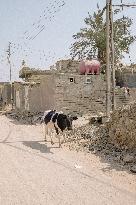
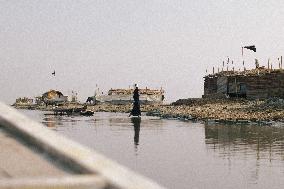
A cow walks on the street in the Chibayesh town in the marshlands in Iraq's southern Ahwar area of Dhi Qar on January 22, 2021. The Mesopotamian Marshes are located in southern Iraq, in the basin of the two mythical rivers of the Middle East: the Euphrates and the Tigris. The region is considered one of the cradles of civilization and, according to legend, even hosted the Gardens of Eden. The Marsh Arabs, also called Maadans, are an ancient community. It is estimated that they have occupied the marshes for almost 5,000 years. Between 1991 and 2003, the former dictator Saddam Hussein completely dried up the area because he believed it harbored his opponents. When he fell, the Maadans returned and tore down the dikes and dams he had built. The marshes have then almost returned to their original state. But in recent years, global warming and dams built upstream of the two rivers in Turkey have once again put the marshes in danger. Photo by Aline Deschamps/Middle East Images/ABACAPRESS.COM

  •  
The Marsh Arabs - Iraq

The Marsh Arabs - Iraq

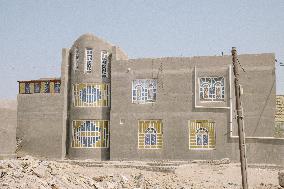
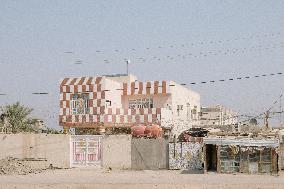
View of a house in the Chibayesh town in the marshlands in Iraq's southern Ahwar area of Dhi Qar on January 22, 2021. The Mesopotamian Marshes are located in southern Iraq, in the basin of the two mythical rivers of the Middle East: the Euphrates and the Tigris. The region is considered one of the cradles of civilization and, according to legend, even hosted the Gardens of Eden. The Marsh Arabs, also called Maadans, are an ancient community. It is estimated that they have occupied the marshes for almost 5,000 years. Between 1991 and 2003, the former dictator Saddam Hussein completely dried up the area because he believed it harbored his opponents. When he fell, the Maadans returned and tore down the dikes and dams he had built. The marshes have then almost returned to their original state. But in recent years, global warming and dams built upstream of the two rivers in Turkey have once again put the marshes in danger. Photo by Aline Deschamps/Middle East Images/ABACAPRESS.COM

  •  
The Marsh Arabs - Iraq

The Marsh Arabs - Iraq

View of a street in the Chibayesh marshland in Iraq's southern Ahwar area of Dhi Qar on January 22, 2021. The Mesopotamian Marshes are located in southern Iraq, in the basin of the two mythical rivers of the Middle East: the Euphrates and the Tigris. The region is considered one of the cradles of civilization and, according to legend, even hosted the Gardens of Eden. The Marsh Arabs, also called Maadans, are an ancient community. It is estimated that they have occupied the marshes for almost 5,000 years. Between 1991 and 2003, the former dictator Saddam Hussein completely dried up the area because he believed it harbored his opponents. When he fell, the Maadans returned and tore down the dikes and dams he had built. The marshes have then almost returned to their original state. But in recent years, global warming and dams built upstream of the two rivers in Turkey have once again put the marshes in danger. Photo by Aline Deschamps/Middle East Images/ABACAPRESS.COM

  •  
The Marsh Arabs - Iraq

The Marsh Arabs - Iraq

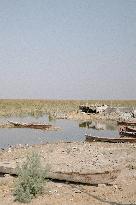
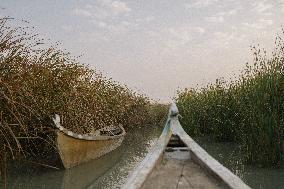
View of wooden narrow canoes by a waterway in the Chibayesh marshland in Iraq's southern Ahwar area of Dhi Qar on January 22, 2021. The Mesopotamian Marshes are located in southern Iraq, in the basin of the two mythical rivers of the Middle East: the Euphrates and the Tigris. The region is considered one of the cradles of civilization and, according to legend, even hosted the Gardens of Eden. The Marsh Arabs, also called Maadans, are an ancient community. It is estimated that they have occupied the marshes for almost 5,000 years. Between 1991 and 2003, the former dictator Saddam Hussein completely dried up the area because he believed it harbored his opponents. When he fell, the Maadans returned and tore down the dikes and dams he had built. The marshes have then almost returned to their original state. But in recent years, global warming and dams built upstream of the two rivers in Turkey have once again put the marshes in danger. Photo by Aline Deschamps/Middle East Images/ABACAPRESS.COM

  •  
The Marsh Arabs - Iraq

The Marsh Arabs - Iraq

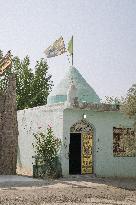
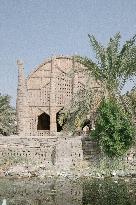
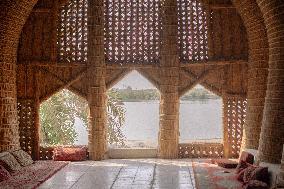
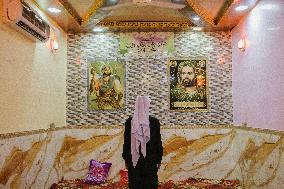
View of a Husayniyya in the Chibayesh town of the marshlands in Iraq's southern Ahwar area of Dhi Qar on January 22, 2021. The Mesopotamian Marshes are located in southern Iraq, in the basin of the two mythical rivers of the Middle East: the Euphrates and the Tigris. The region is considered one of the cradles of civilization and, according to legend, even hosted the Gardens of Eden. The Marsh Arabs, also called Maadans, are an ancient community. It is estimated that they have occupied the marshes for almost 5,000 years. Between 1991 and 2003, the former dictator Saddam Hussein completely dried up the area because he believed it harbored his opponents. When he fell, the Maadans returned and tore down the dikes and dams he had built. The marshes have then almost returned to their original state. But in recent years, global warming and dams built upstream of the two rivers in Turkey have once again put the marshes in danger. Photo by Aline Deschamps/Middle East Images/ABACAPRESS.COM

  •  
The Marsh Arabs - Iraq

The Marsh Arabs - Iraq

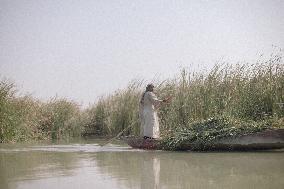
A man stands on a wooden narrow canoe in the waterways of the Chibayesh marshland in Iraq's southern Ahwar area of Dhi Qar on January 22, 2021. The Mesopotamian Marshes are located in southern Iraq, in the basin of the two mythical rivers of the Middle East: the Euphrates and the Tigris. The region is considered one of the cradles of civilization and, according to legend, even hosted the Gardens of Eden. The Marsh Arabs, also called Maadans, are an ancient community. It is estimated that they have occupied the marshes for almost 5,000 years. Between 1991 and 2003, the former dictator Saddam Hussein completely dried up the area because he believed it harbored his opponents. When he fell, the Maadans returned and tore down the dikes and dams he had built. The marshes have then almost returned to their original state. But in recent years, global warming and dams built upstream of the two rivers in Turkey have once again put the marshes in danger. Photo by Aline Deschamps/Middle East Images/ABACAPRESS.COM

  •  
The Marsh Arabs - Iraq

The Marsh Arabs - Iraq

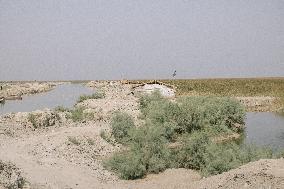
View of a waterway in the Chibayesh marshland in Iraq's southern Ahwar area of Dhi Qar on January 22, 2021. The Mesopotamian Marshes are located in southern Iraq, in the basin of the two mythical rivers of the Middle East: the Euphrates and the Tigris. The region is considered one of the cradles of civilization and, according to legend, even hosted the Gardens of Eden. The Marsh Arabs, also called Maadans, are an ancient community. It is estimated that they have occupied the marshes for almost 5,000 years. Between 1991 and 2003, the former dictator Saddam Hussein completely dried up the area because he believed it harbored his opponents. When he fell, the Maadans returned and tore down the dikes and dams he had built. The marshes have then almost returned to their original state. But in recent years, global warming and dams built upstream of the two rivers in Turkey have once again put the marshes in danger. Photo by Aline Deschamps/Middle East Images/ABACAPRESS.COM

  •  
The Marsh Arabs - Iraq

The Marsh Arabs - Iraq

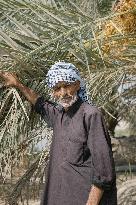
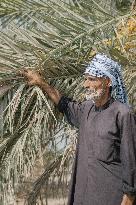
A man stands next to a palm tree in the Chibayesh marshland in Iraq's southern Ahwar area of Dhi Qar on January 22, 2021. The Mesopotamian Marshes are located in southern Iraq, in the basin of the two mythical rivers of the Middle East: the Euphrates and the Tigris. The region is considered one of the cradles of civilization and, according to legend, even hosted the Gardens of Eden. The Marsh Arabs, also called Maadans, are an ancient community. It is estimated that they have occupied the marshes for almost 5,000 years. Between 1991 and 2003, the former dictator Saddam Hussein completely dried up the area because he believed it harbored his opponents. When he fell, the Maadans returned and tore down the dikes and dams he had built. The marshes have then almost returned to their original state. But in recent years, global warming and dams built upstream of the two rivers in Turkey have once again put the marshes in danger. Photo by Aline Deschamps/Middle East Images/ABACAPRESS.COM

  •  
The Marsh Arabs - Iraq

The Marsh Arabs - Iraq

View of a reed house from a waterway in the Chibayesh marshland in Iraq's southern Ahwar area of Dhi Qar on January 22, 2021. The Mesopotamian Marshes are located in southern Iraq, in the basin of the two mythical rivers of the Middle East: the Euphrates and the Tigris. The region is considered one of the cradles of civilization and, according to legend, even hosted the Gardens of Eden. The Marsh Arabs, also called Maadans, are an ancient community. It is estimated that they have occupied the marshes for almost 5,000 years. Between 1991 and 2003, the former dictator Saddam Hussein completely dried up the area because he believed it harbored his opponents. When he fell, the Maadans returned and tore down the dikes and dams he had built. The marshes have then almost returned to their original state. But in recent years, global warming and dams built upstream of the two rivers in Turkey have once again put the marshes in danger. Photo by Aline Deschamps/Middle East Images/ABACAPRESS.COM

  •  
The Marsh Arabs - Iraq

The Marsh Arabs - Iraq

A man stands next to a palm tree in the Chibayesh marshland in Iraq's southern Ahwar area of Dhi Qar on January 22, 2021. The Mesopotamian Marshes are located in southern Iraq, in the basin of the two mythical rivers of the Middle East: the Euphrates and the Tigris. The region is considered one of the cradles of civilization and, according to legend, even hosted the Gardens of Eden. The Marsh Arabs, also called Maadans, are an ancient community. It is estimated that they have occupied the marshes for almost 5,000 years. Between 1991 and 2003, the former dictator Saddam Hussein completely dried up the area because he believed it harbored his opponents. When he fell, the Maadans returned and tore down the dikes and dams he had built. The marshes have then almost returned to their original state. But in recent years, global warming and dams built upstream of the two rivers in Turkey have once again put the marshes in danger. Photo by Aline Deschamps/Middle East Images/ABACAPRESS.COM

  •  
The Marsh Arabs - Iraq

The Marsh Arabs - Iraq

View of a house in the Chibayesh town in the marshlands in Iraq's southern Ahwar area of Dhi Qar on January 22, 2021. The Mesopotamian Marshes are located in southern Iraq, in the basin of the two mythical rivers of the Middle East: the Euphrates and the Tigris. The region is considered one of the cradles of civilization and, according to legend, even hosted the Gardens of Eden. The Marsh Arabs, also called Maadans, are an ancient community. It is estimated that they have occupied the marshes for almost 5,000 years. Between 1991 and 2003, the former dictator Saddam Hussein completely dried up the area because he believed it harbored his opponents. When he fell, the Maadans returned and tore down the dikes and dams he had built. The marshes have then almost returned to their original state. But in recent years, global warming and dams built upstream of the two rivers in Turkey have once again put the marshes in danger. Photo by Aline Deschamps/Middle East Images/ABACAPRESS.COM

  •  
The Marsh Arabs - Iraq

The Marsh Arabs - Iraq

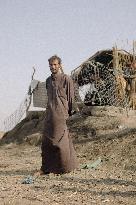
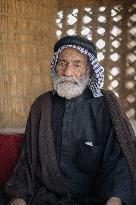
A man stands near his house in the Chibayesh marshland in Iraq's southern Ahwar area of Dhi Qar on January 22, 2021. The Mesopotamian Marshes are located in southern Iraq, in the basin of the two mythical rivers of the Middle East: the Euphrates and the Tigris. The region is considered one of the cradles of civilization and, according to legend, even hosted the Gardens of Eden. The Marsh Arabs, also called Maadans, are an ancient community. It is estimated that they have occupied the marshes for almost 5,000 years. Between 1991 and 2003, the former dictator Saddam Hussein completely dried up the area because he believed it harbored his opponents. When he fell, the Maadans returned and tore down the dikes and dams he had built. The marshes have then almost returned to their original state. But in recent years, global warming and dams built upstream of the two rivers in Turkey have once again put the marshes in danger. Photo by Aline Deschamps/Middle East Images/ABACAPRESS.COM

  •  
The Marsh Arabs - Iraq

The Marsh Arabs - Iraq

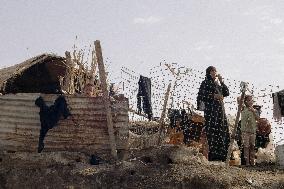
A buffalo herder carries water to her house in the Chibayesh marshland in Iraq's southern Ahwar area of Dhi Qar on January 22, 2021. The Mesopotamian Marshes are located in southern Iraq, in the basin of the two mythical rivers of the Middle East: the Euphrates and the Tigris. The region is considered one of the cradles of civilization and, according to legend, even hosted the Gardens of Eden. The Marsh Arabs, also called Maadans, are an ancient community. It is estimated that they have occupied the marshes for almost 5,000 years. Between 1991 and 2003, the former dictator Saddam Hussein completely dried up the area because he believed it harbored his opponents. When he fell, the Maadans returned and tore down the dikes and dams he had built. The marshes have then almost returned to their original state. But in recent years, global warming and dams built upstream of the two rivers in Turkey have once again put the marshes in danger. Photo by Aline Deschamps/Middle East Images/ABACAPRESS.COM

  •  
The Marsh Arabs - Iraq

The Marsh Arabs - Iraq

A man sits on a wooden narrow canoe in the waterways of the Chibayesh marshland in Iraq's southern Ahwar area of Dhi Qar on January 22, 2021. The Mesopotamian Marshes are located in southern Iraq, in the basin of the two mythical rivers of the Middle East: the Euphrates and the Tigris. The region is considered one of the cradles of civilization and, according to legend, even hosted the Gardens of Eden. The Marsh Arabs, also called Maadans, are an ancient community. It is estimated that they have occupied the marshes for almost 5,000 years. Between 1991 and 2003, the former dictator Saddam Hussein completely dried up the area because he believed it harbored his opponents. When he fell, the Maadans returned and tore down the dikes and dams he had built. The marshes have then almost returned to their original state. But in recent years, global warming and dams built upstream of the two rivers in Turkey have once again put the marshes in danger. Photo by Aline Deschamps/Middle East Images/ABACAPRESS.COM

  •  
The Marsh Arabs - Iraq

The Marsh Arabs - Iraq

A man rows a wooden narrow canoe in the waterways of the Chibayesh marshland in Iraq's southern Ahwar area of Dhi Qar on January 22, 2021. The Mesopotamian Marshes are located in southern Iraq, in the basin of the two mythical rivers of the Middle East: the Euphrates and the Tigris. The region is considered one of the cradles of civilization and, according to legend, even hosted the Gardens of Eden. The Marsh Arabs, also called Maadans, are an ancient community. It is estimated that they have occupied the marshes for almost 5,000 years. Between 1991 and 2003, the former dictator Saddam Hussein completely dried up the area because he believed it harbored his opponents. When he fell, the Maadans returned and tore down the dikes and dams he had built. The marshes have then almost returned to their original state. But in recent years, global warming and dams built upstream of the two rivers in Turkey have once again put the marshes in danger. Photo by Aline Deschamps/Middle East Images/ABACAPRESS.COM

  •  
The Marsh Arabs - Iraq

The Marsh Arabs - Iraq

Buffalo herders stand in their home in the Chibayesh marshland in Iraq's southern Ahwar area of Dhi Qar on January 22, 2021. The Mesopotamian Marshes are located in southern Iraq, in the basin of the two mythical rivers of the Middle East: the Euphrates and the Tigris. The region is considered one of the cradles of civilization and, according to legend, even hosted the Gardens of Eden. The Marsh Arabs, also called Maadans, are an ancient community. It is estimated that they have occupied the marshes for almost 5,000 years. Between 1991 and 2003, the former dictator Saddam Hussein completely dried up the area because he believed it harbored his opponents. When he fell, the Maadans returned and tore down the dikes and dams he had built. The marshes have then almost returned to their original state. But in recent years, global warming and dams built upstream of the two rivers in Turkey have once again put the marshes in danger. Photo by Aline Deschamps/Middle East Images/ABACAPRESS.COM

  •  
The Marsh Arabs - Iraq

The Marsh Arabs - Iraq

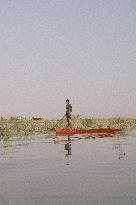
A man stands on a wooden narrow canoe in the waterways in the Chibayesh marshland in Iraq's southern Ahwar area of Dhi Qar on January 22, 2021. The Mesopotamian Marshes are located in southern Iraq, in the basin of the two mythical rivers of the Middle East: the Euphrates and the Tigris. The region is considered one of the cradles of civilization and, according to legend, even hosted the Gardens of Eden. The Marsh Arabs, also called Maadans, are an ancient community. It is estimated that they have occupied the marshes for almost 5,000 years. Between 1991 and 2003, the former dictator Saddam Hussein completely dried up the area because he believed it harbored his opponents. When he fell, the Maadans returned and tore down the dikes and dams he had built. The marshes have then almost returned to their original state. But in recent years, global warming and dams built upstream of the two rivers in Turkey have once again put the marshes in danger. Photo by Aline Deschamps/Middle East Images/ABACAPRESS.COM

  •  
The Marsh Arabs - Iraq

The Marsh Arabs - Iraq

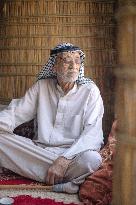
A man sits in a reed house in the Chibayesh marshland in Iraq's southern Ahwar area of Dhi Qar on January 22, 2021. The Mesopotamian Marshes are located in southern Iraq, in the basin of the two mythical rivers of the Middle East: the Euphrates and the Tigris. The region is considered one of the cradles of civilization and, according to legend, even hosted the Gardens of Eden. The Marsh Arabs, also called Maadans, are an ancient community. It is estimated that they have occupied the marshes for almost 5,000 years. Between 1991 and 2003, the former dictator Saddam Hussein completely dried up the area because he believed it harbored his opponents. When he fell, the Maadans returned and tore down the dikes and dams he had built. The marshes have then almost returned to their original state. But in recent years, global warming and dams built upstream of the two rivers in Turkey have once again put the marshes in danger. Photo by Aline Deschamps/Middle East Images/ABACAPRESS.COM

  •  
The Marsh Arabs - Iraq

The Marsh Arabs - Iraq

View of a waterway in the Chibayesh marshland in Iraq's southern Ahwar area of Dhi Qar on January 22, 2021. The Mesopotamian Marshes are located in southern Iraq, in the basin of the two mythical rivers of the Middle East: the Euphrates and the Tigris. The region is considered one of the cradles of civilization and, according to legend, even hosted the Gardens of Eden. The Marsh Arabs, also called Maadans, are an ancient community. It is estimated that they have occupied the marshes for almost 5,000 years. Between 1991 and 2003, the former dictator Saddam Hussein completely dried up the area because he believed it harbored his opponents. When he fell, the Maadans returned and tore down the dikes and dams he had built. The marshes have then almost returned to their original state. But in recent years, global warming and dams built upstream of the two rivers in Turkey have once again put the marshes in danger. Photo by Aline Deschamps/Middle East Images/ABACAPRESS.COM

  •  
The Marsh Arabs - Iraq

The Marsh Arabs - Iraq

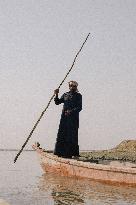
A fisherman stands on a wooden narrow canoe in the waterways of the Chibayesh marshland in Iraq's southern Ahwar area of Dhi Qar on January 22, 2021. The Mesopotamian Marshes are located in southern Iraq, in the basin of the two mythical rivers of the Middle East: the Euphrates and the Tigris. The region is considered one of the cradles of civilization and, according to legend, even hosted the Gardens of Eden. The Marsh Arabs, also called Maadans, are an ancient community. It is estimated that they have occupied the marshes for almost 5,000 years. Between 1991 and 2003, the former dictator Saddam Hussein completely dried up the area because he believed it harbored his opponents. When he fell, the Maadans returned and tore down the dikes and dams he had built. The marshes have then almost returned to their original state. But in recent years, global warming and dams built upstream of the two rivers in Turkey have once again put the marshes in danger. Photo by Aline Deschamps/Middle East Images/ABACAPRESS.COM

  •  
The Marsh Arabs - Iraq

The Marsh Arabs - Iraq

A buffalo herder sits down with visitors in the Chibayesh marshland in Iraq's southern Ahwar area of Dhi Qar on January 22, 2021. The Mesopotamian Marshes are located in southern Iraq, in the basin of the two mythical rivers of the Middle East: the Euphrates and the Tigris. The region is considered one of the cradles of civilization and, according to legend, even hosted the Gardens of Eden. The Marsh Arabs, also called Maadans, are an ancient community. It is estimated that they have occupied the marshes for almost 5,000 years. Between 1991 and 2003, the former dictator Saddam Hussein completely dried up the area because he believed it harbored his opponents. When he fell, the Maadans returned and tore down the dikes and dams he had built. The marshes have then almost returned to their original state. But in recent years, global warming and dams built upstream of the two rivers in Turkey have once again put the marshes in danger. Photo by Aline Deschamps/Middle East Images/ABACAPRESS.COM

  •  
The Marsh Arabs - Iraq

The Marsh Arabs - Iraq

A man rows a wooden narrow canoe in the waterways of the Chibayesh marshland in Iraq's southern Ahwar area of Dhi Qar on January 22, 2021. The Mesopotamian Marshes are located in southern Iraq, in the basin of the two mythical rivers of the Middle East: the Euphrates and the Tigris. The region is considered one of the cradles of civilization and, according to legend, even hosted the Gardens of Eden. The Marsh Arabs, also called Maadans, are an ancient community. It is estimated that they have occupied the marshes for almost 5,000 years. Between 1991 and 2003, the former dictator Saddam Hussein completely dried up the area because he believed it harbored his opponents. When he fell, the Maadans returned and tore down the dikes and dams he had built. The marshes have then almost returned to their original state. But in recent years, global warming and dams built upstream of the two rivers in Turkey have once again put the marshes in danger. Photo by Aline Deschamps/Middle East Images/ABACAPRESS.COM

  •  
The Marsh Arabs - Iraq

The Marsh Arabs - Iraq

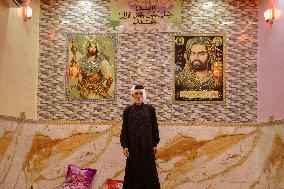
A man stands in his house in the of the Chibayesh town in the marshland in Iraq's southern Ahwar area of Dhi Qar on January 22, 2021. The Mesopotamian Marshes are located in southern Iraq, in the basin of the two mythical rivers of the Middle East: the Euphrates and the Tigris. The region is considered one of the cradles of civilization and, according to legend, even hosted the Gardens of Eden. The Marsh Arabs, also called Maadans, are an ancient community. It is estimated that they have occupied the marshes for almost 5,000 years. Between 1991 and 2003, the former dictator Saddam Hussein completely dried up the area because he believed it harbored his opponents. When he fell, the Maadans returned and tore down the dikes and dams he had built. The marshes have then almost returned to their original state. But in recent years, global warming and dams built upstream of the two rivers in Turkey have once again put the marshes in danger. Photo by Aline Deschamps/Middle East Images/ABACAPRESS.COM

  •  
The Marsh Arabs - Iraq

The Marsh Arabs - Iraq

View of a waterway from a reed house in the Chibayesh marshland in Iraq's southern Ahwar area of Dhi Qar on January 22, 2021. The Mesopotamian Marshes are located in southern Iraq, in the basin of the two mythical rivers of the Middle East: the Euphrates and the Tigris. The region is considered one of the cradles of civilization and, according to legend, even hosted the Gardens of Eden. The Marsh Arabs, also called Maadans, are an ancient community. It is estimated that they have occupied the marshes for almost 5,000 years. Between 1991 and 2003, the former dictator Saddam Hussein completely dried up the area because he believed it harbored his opponents. When he fell, the Maadans returned and tore down the dikes and dams he had built. The marshes have then almost returned to their original state. But in recent years, global warming and dams built upstream of the two rivers in Turkey have once again put the marshes in danger. Photo by Aline Deschamps/Middle East Images/ABACAPRESS.COM

  •  
The Marsh Arabs - Iraq

The Marsh Arabs - Iraq

A man stands in his house in the of the Chibayesh town in the marshland in Iraq's southern Ahwar area of Dhi Qar on January 22, 2021. The Mesopotamian Marshes are located in southern Iraq, in the basin of the two mythical rivers of the Middle East: the Euphrates and the Tigris. The region is considered one of the cradles of civilization and, according to legend, even hosted the Gardens of Eden. The Marsh Arabs, also called Maadans, are an ancient community. It is estimated that they have occupied the marshes for almost 5,000 years. Between 1991 and 2003, the former dictator Saddam Hussein completely dried up the area because he believed it harbored his opponents. When he fell, the Maadans returned and tore down the dikes and dams he had built. The marshes have then almost returned to their original state. But in recent years, global warming and dams built upstream of the two rivers in Turkey have once again put the marshes in danger. Photo by Aline Deschamps/Middle East Images/ABACAPRESS.COM

  •  
The Marsh Arabs - Iraq

The Marsh Arabs - Iraq

A man sits in a reed house in the Chibayesh marshland in Iraq's southern Ahwar area of Dhi Qar on January 22, 2021. The Mesopotamian Marshes are located in southern Iraq, in the basin of the two mythical rivers of the Middle East: the Euphrates and the Tigris. The region is considered one of the cradles of civilization and, according to legend, even hosted the Gardens of Eden. The Marsh Arabs, also called Maadans, are an ancient community. It is estimated that they have occupied the marshes for almost 5,000 years. Between 1991 and 2003, the former dictator Saddam Hussein completely dried up the area because he believed it harbored his opponents. When he fell, the Maadans returned and tore down the dikes and dams he had built. The marshes have then almost returned to their original state. But in recent years, global warming and dams built upstream of the two rivers in Turkey have once again put the marshes in danger. Photo by Aline Deschamps/Middle East Images/ABACAPRESS.COM

  •  
The Marsh Arabs - Iraq

The Marsh Arabs - Iraq

View of a waterway in the Chibayesh marshland in Iraq's southern Ahwar area of Dhi Qar on January 22, 2021. The Mesopotamian Marshes are located in southern Iraq, in the basin of the two mythical rivers of the Middle East: the Euphrates and the Tigris. The region is considered one of the cradles of civilization and, according to legend, even hosted the Gardens of Eden. The Marsh Arabs, also called Maadans, are an ancient community. It is estimated that they have occupied the marshes for almost 5,000 years. Between 1991 and 2003, the former dictator Saddam Hussein completely dried up the area because he believed it harbored his opponents. When he fell, the Maadans returned and tore down the dikes and dams he had built. The marshes have then almost returned to their original state. But in recent years, global warming and dams built upstream of the two rivers in Turkey have once again put the marshes in danger. Photo by Aline Deschamps/Middle East Images/ABACAPRESS.COM

  •  
The Marsh Arabs - Iraq

The Marsh Arabs - Iraq

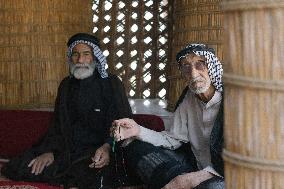
Men sit a reed house in the Chibayesh marshland in Iraq's southern Ahwar area of Dhi Qar on January 22, 2021. The Mesopotamian Marshes are located in southern Iraq, in the basin of the two mythical rivers of the Middle East: the Euphrates and the Tigris. The region is considered one of the cradles of civilization and, according to legend, even hosted the Gardens of Eden. The Marsh Arabs, also called Maadans, are an ancient community. It is estimated that they have occupied the marshes for almost 5,000 years. Between 1991 and 2003, the former dictator Saddam Hussein completely dried up the area because he believed it harbored his opponents. When he fell, the Maadans returned and tore down the dikes and dams he had built. The marshes have then almost returned to their original state. But in recent years, global warming and dams built upstream of the two rivers in Turkey have once again put the marshes in danger. Photo by Aline Deschamps/Middle East Images/ABACAPRESS.COM

  •  
The Marsh Arabs - Iraq

The Marsh Arabs - Iraq

A man stands in his house in the of the Chibayesh town in the marshland in Iraq's southern Ahwar area of Dhi Qar on January 22, 2021. The Mesopotamian Marshes are located in southern Iraq, in the basin of the two mythical rivers of the Middle East: the Euphrates and the Tigris. The region is considered one of the cradles of civilization and, according to legend, even hosted the Gardens of Eden. The Marsh Arabs, also called Maadans, are an ancient community. It is estimated that they have occupied the marshes for almost 5,000 years. Between 1991 and 2003, the former dictator Saddam Hussein completely dried up the area because he believed it harbored his opponents. When he fell, the Maadans returned and tore down the dikes and dams he had built. The marshes have then almost returned to their original state. But in recent years, global warming and dams built upstream of the two rivers in Turkey have once again put the marshes in danger. Photo by Aline Deschamps/Middle East Images/ABACAPRESS.COM

  •  
The Marsh Arabs - Iraq

The Marsh Arabs - Iraq

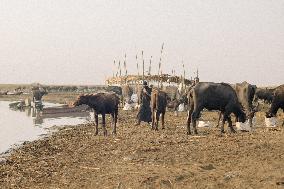
Buffalo herders look after their herd in the Chibayesh marshland in Iraq's southern Ahwar area of Dhi Qar on January 22, 2021. The Mesopotamian Marshes are located in southern Iraq, in the basin of the two mythical rivers of the Middle East: the Euphrates and the Tigris. The region is considered one of the cradles of civilization and, according to legend, even hosted the Gardens of Eden. The Marsh Arabs, also called Maadans, are an ancient community. It is estimated that they have occupied the marshes for almost 5,000 years. Between 1991 and 2003, the former dictator Saddam Hussein completely dried up the area because he believed it harbored his opponents. When he fell, the Maadans returned and tore down the dikes and dams he had built. The marshes have then almost returned to their original state. But in recent years, global warming and dams built upstream of the two rivers in Turkey have once again put the marshes in danger. Photo by Aline Deschamps/Middle East Images/ABACAPRESS.COM

  •  
The Marsh Arabs - Iraq

The Marsh Arabs - Iraq

A man sits on a wooden narrow canoe in the waterways of the Chibayesh marshland in Iraq's southern Ahwar area of Dhi Qar on January 22, 2021. The Mesopotamian Marshes are located in southern Iraq, in the basin of the two mythical rivers of the Middle East: the Euphrates and the Tigris. The region is considered one of the cradles of civilization and, according to legend, even hosted the Gardens of Eden. The Marsh Arabs, also called Maadans, are an ancient community. It is estimated that they have occupied the marshes for almost 5,000 years. Between 1991 and 2003, the former dictator Saddam Hussein completely dried up the area because he believed it harbored his opponents. When he fell, the Maadans returned and tore down the dikes and dams he had built. The marshes have then almost returned to their original state. But in recent years, global warming and dams built upstream of the two rivers in Turkey have once again put the marshes in danger. Photo by Aline Deschamps/Middle East Images/ABACAPRESS.COM

  • Main
  • Top
  • Editorial
  • Creative
  • About Us
  • About ILG
  • Terms of use
  • Company
  • BEHIND
  • Price List
  • Single Plan
  • Monthly Plan
  • Services
  • Shooting
  • Rights Clearance
  • Support
  • FAQ
  • How To Buy
  • Contact Us
  • Become a Partner

© KYODO NEWS IMAGES INC

All Rights Reserved.

  • Editorial
  • Olympics
  • News
  • Sports
  • Japan
  • Tech
  • Royal
  • Disaster
  • NorthKorea
  • Old Japan
  • SNS
  • Creative
  • Food
  • Japan
  • Landscape
  • Animal
  • Popular
  • #Ukraine
  • #Thailand
  • #coronavirus
  • #N. Korea
  • #China
  • #Russia
  • #Ukraine
  • #Thailand
  • #coronavirus
  • #N. Korea
  • #China
  • #Russia
  • Food
  • Japan
  • Landscape
  • Animal
  • Olympics
  • News
  • Sports
  • Japan
  • Tech
  • Royal
  • Disaster
  • NorthKorea
  • Old Japan
  • SNS